
Movement of IT Expenses from Capital Expenditures (CapEx) to Operational Expenditures (OpEx)
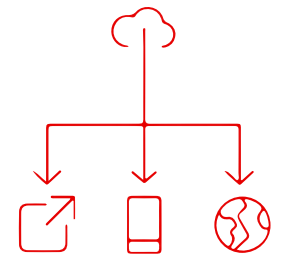
With Cloud computing, businesses can forego the initial investment of computer hardware and on-site-housing and even save on additional physical costs such as cooling, fire protection and security.
Scalability
Cloud infrastructure scales on-demand to support fluctuating workloads.
Ready-Built Tools
Users can select from a menu of prebuilt tools and features to build a solution that fits their specific needs.
Security Features
Virtual private cloud, encryption, and API keys help keep data secure.
Storage Options
Users can choose public, private, or hybrid storage offerings, depending on security needs and other considerations.
Improvement of Service Quality
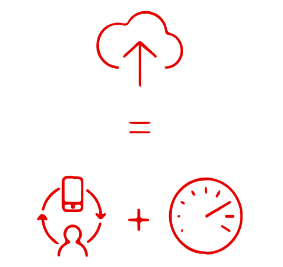
Cloud data centers are run by dedicated 24/7 Support Teams who live and breathe infrastructure maintenance and support.
Accessibility
Cloud-based applications and data are accessible from virtually any internet-connected device.
Reduction in Equipment Cost
Cloud computing uses remote resources, saving organizations the cost of servers and other equipment.
Speed to Market
Developing in the cloud enables users to get their applications to market quickly.
Data Security
Hardware failures do not result in data loss because of networked backups.
Access to New Technologies and Services

Emerging tech requires large amounts of computing resources which can be accessed more easily with Cloud technology.
Collaboration
Worldwide access means teams can collaborate from widespread locations.
Modernized Work
Cloud service providers (CSPs) manage underlying infrastructure, enabling organizations to focus on application development and other priorities.
Regular Updates
Service providers regularly update offerings to give users the most up-to-date technology.
Competitive Edge
Organizations can move more nimbly than competitors who must devote IT resources to managing infrastructure.
Call now to take advantage of Cloud Computing
5 Technical Benefits of Cloud Computing
- Resource Pooling - Cloud service providers (CSPs) provide a highly scalable environment, offering access to all cloud computing resources precisely when and where they are needed.
- On-Demand Self-Service - Organizations have the flexibility to incorporate the necessary resources promptly, without concerns about delays arising from CSP processes or staffing issues.
- Vendor Support and SLAs - Cloud service providers typically offer robust customer support and Service Level Agreements (SLAs), ensuring a high level of service reliability and responsiveness to address any issues promptly.
- Enhanced Mobility - Cloud computing facilitates mobile access to applications and data, allowing users to be productive on various devices, fostering a mobile-friendly and flexible work environment.
- Security - Cloud providers invest heavily in security measures, including data encryption, access controls, and compliance certifications, often providing a more secure environment than on-premises solutions.

Learn More About Cloud Computing With Us

What Customers Expect
-
66% of customers want immediate resolution when they contact via phone.
-
Email must be responded to within 12 hours.
-
Social media statement to be responded to within 2 hours.
Top 8 Business Benefits
Of Multi-Channel Contact Centers:
-
Multiple Channels; Single View of Customer
-
Enhanced Brand Image
-
Superior Customer Engagement
-
Deeper Customer and Contact Center Analytics
-
More Effective Marketing Campaigns
-
Faster Support
-
Better Up-Sell and Cross-Sell Opportunities
-
Maximized Agent Performance
The Big Secret
You need unified support for all the channels to your customers. Unified support means that a single record is maintained for each customer irrespective of channel, and agents can use that record across channels to access customer information.
Ask us how we can help you improve your customer experience today!